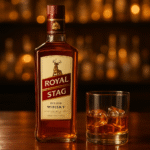
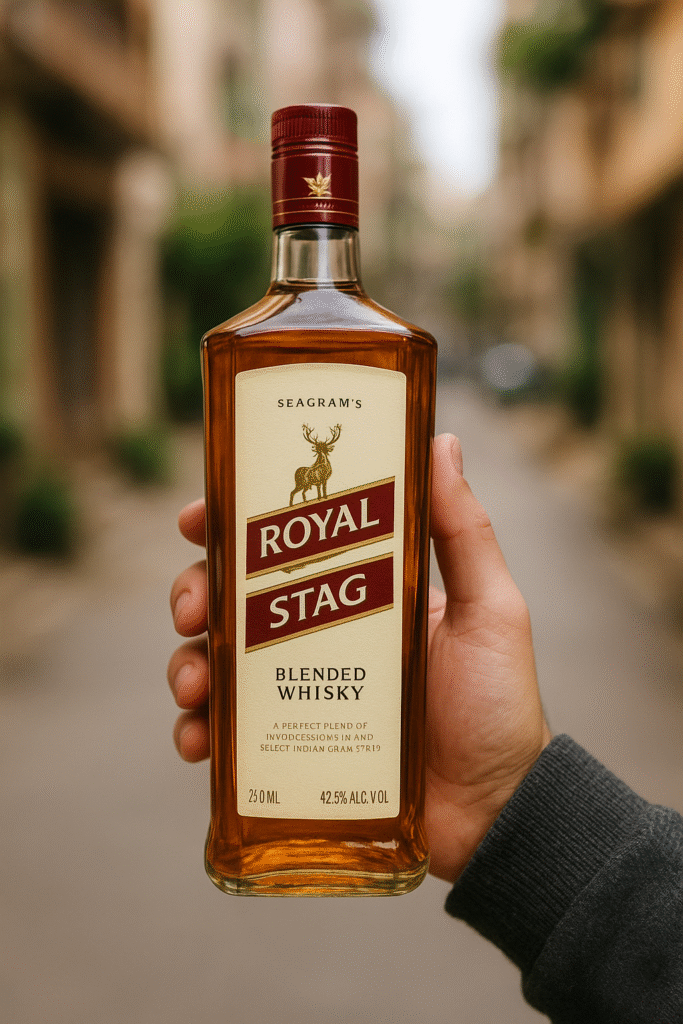

“Royal Stag remains one of the biggest whisky brands in India right now. It has built a strong position over the years in that mid-premium segment. The brand mixes a sense of real quality with what draws in everyday drinkers. Things like its pricing, the way they produce it, and the range of options they put out there. All of that serves as key ways to understand the broader Indian whisky world. Taxes on liquor keep shifting, and what people prefer in their drinks evolves too.”
This report goes into quite a bit of detail on several key areas. It starts with the historical evolution of prices over time. Next up are the current price structures for 2025. Those cover different sizes and states pretty thoroughly. Then there are the main factors that drive variability in prices. Royal Stags brand positioning gets examined along with its variant strategy. Consumer behavior comes into play too. So do the trends in market demand. The future outlook wraps things up. It looks at what to expect for pricing in the years ahead. Product innovation factors in there as well. Distribution changes seem likely to shift around.
A History of Growth: Royal Stag’s Path to Make a Name for It
Royal Stag came into the Indian market back when the whisky scene was mostly about basic entry-level brands. Imported malts stayed as this fancy niche thing for a few people. Radico Khaitan did not go after the super rich crowd. They made Royal Stag into a balanced whisky that felt aspirational. It was better than the cheap stuff on the bottom shelf. But it did not cost too much for young professionals or everyday drinkers.
That approach really worked out well. In over twenty years, the brand kept giving people what they wanted. They offered reliable quality every time. The smooth taste came from mixing Indian grain spirits with imported Scotch malt. It reached across a wide area of the country. They even had variants for folks who liked things conservative. Others went for more adventurous options in whisky.
Because of all that, Royal Stag shifted from just a regional player. It turned into a big national force.
Current Pricing (2025): Comprehensive Examination of Variations in Size and Condition
Bottle size makes a real difference to the MRP on Royal Stag. From details shared by the liquor pricing aggregator MadiraPrice, the market breaks down in these ways right now.
| Bottle Size | Typical Price Range (2025) |
| 90 ml | ₹120 – ₹150 |
| 180 ml | ₹200 – ₹250 |
| 375 ml | ₹400 – ₹500 |
| 750 ml | ₹800 – ₹1,200, depending on variant and state |
| 1 L | ₹1,100 – ₹1,400 |
In a lot of states, these numbers stand for the Deluxe or Regular Royal Stag. Still, in certain areas, the premium Barrel Select version carries a much higher MRP.
State-by-State Price Variability: The Impact of Excise
One thing that really stands out with Royal Stag is how its prices shift quite a bit depending on the state. Excise duties, logistics costs, and what local retailers charge all play into the brand’s final MRP in different ways. In Delhi, you usually see a 750 ml bottle going for between eight hundred and eight hundred fifty rupees at most stores. Over in Uttar Pradesh, that same size tends to run a bit higher, somewhere from nine hundred to one thousand rupees. Maharashtra and Karnataka push prices up even more because of those tough taxes and extra distribution fees involved. West Bengal keeps things a little lower, with some store records showing the 750 ml at seven hundred fifty to eight hundred rupees. All this variation comes down to a few main factors. Excise tax rates differ a lot across states, which hits the price hard. Transportation and storage costs add up differently in each place too. Retailer markups depend on the kind of store and how much competition there is locally. Because of all that, you just cannot pin down one single national MRP for Royal Stag.
Alternative Method: Going Beyond a Basic Base Combination
Royal Stags pricing gets complicated because of how they mix up their product lines in different ways. They have the Deluxe and Regular versions. Those are the main blends you see pretty much everywhere in the country. Then theres Barrel Select. That one steps things up a bit with a richer taste from aged malt and that overall premium feel. For the Mega Premium and Limited Editions, they target folks who want something exclusive and more refined to sip on.
Even with all these options, a lot of Royal Stags main lines stick to the same alcohol strength. Its around 42.8 percent. That keeps things consistent and strong. Drinkers get that familiar experience every time.
The way they layer these tiers lets Royal Stag go head to head with everyday mass market whiskies. They can also take on fancier blends. All without losing what makes the brand stand out.
The Main Reasons for Price Changes
Royal Stags MRP is constantly fluctuating due to a number of factors.
- State Excise Policies: The biggest contributor to expenses is clearly excise taxes. They have a far greater state-level impact on MRP than do production costs. Policies are frequently changed. This causes whiskey prices to fluctuate across different states.
- Packaging Variant Costs: Richer ingredients are used in premium options like Barrel Select. They use more elegant packaging or aged malt.All of that drives up the overall cost. Smaller bottle sizes cost less in total. Still they end up with higher prices per milliliter.
- Logistics Distribution Costs: Moving bulk whiskey to far off or hard to reach states adds to expenses. The setup for distribution plays a big role too. Dealer margins contribute quite a bit in the end.
- Raw Material Inflation: Prices for grains malt energy and fuel keep climbing. Producers feel the squeeze on their margins from all that. Some of the rising costs show up straight in the MRP.
- Retail Markups: A store in an upscale city area might add bigger markups. That differs from what a small local shop does. Those extra charges cut into producer profits. Volume sales have to make up for it somehow.
Consumer Trends: Factors Influencing Demand
Royal Stag keeps staying relevant because it really gets the Indian customer’s way of thinking. People in the middle class who want better things want high-quality products at reasonable prices. The 180 ml and 375 ml sizes appeal to young professionals because they provide a practical means of controlling spending. Those looking for premium options stick with Barrel Select or limited editions rather than instantly moving to imported whiskies. Weekend drinkers and those hosting at home still go for the 750 ml bottle, especially when groups get together. For mixers and cocktails, Royal Stag works well for home mixologists and bartenders thanks to its smooth taste in drinks. Even with artisan whiskies and imported blends growing popular, Royal Stag holds that sweet spot position pretty well.
Future Outlook: What Royal Stag Has in Store
In the future, Royal Stags price and its portfolio along with market presence will likely face some influences from certain trends. States might raise excise taxes more often. Governments often look for ways to boost revenue in tough times. That could push up the MRP for brands like this one. Premium models would feel it the most in that case. Radico might end up covering part of those costs though. They would do it just to keep sales volumes steady.
Barrel Select stands out as one of Royal Stags newer options. Limited editions count as another recent addition too. Both should pick up more steam over time. Consumer tastes seem to lean toward fancier whiskies these days. Incomes keep climbing for many people as well. That shift could turn these variants into bigger money makers down the line.
Radico benefits from its huge scale in distribution. They can push for better efficiency across the board. Investments in packaging make a real difference here. Logistics improvements help hold things together. Production tweaks add to the overall gains. All of that might help keep price hikes in check for a while.
Brands like this one will see more innovation ahead. Limited editions will keep coming out regularly. Flavor experiments could shake things up in fresh ways. Aged blends might enter the mix at some point. Hybrid options could appeal to certain crowds too. The company might lean toward luxury Indian styles in particular.
Possible Dangers and Difficulties
Royal Stag cannot hold the market without facing some real risks. The biggest hurdles stand out pretty clearly. Regulatory volatility hits hard. Policies around alcohol taxes stay unpredictable in a big way. Competition keeps growing too. International whiskies show up more often now. Domestic legacy brands gain ground steadily. Energy costs push prices higher. Grain supplies add to the strain. Barrels become expensive as well. Brand cannibalization creates its own problems. Too many variations can weaken the main product’s draw. Radico needs a strong strategy to tackle everything. Focus matters a lot here. Execution has to be spot on.
“Beyond the numbers you see on a bottle, the pricing story for Royal Stag in 2025 tells us a few key things. It shows how alcohol gets regulated across different Indian states. It highlights how customers manage to balance their aspirations with what they can actually afford. It explains how companies keep innovating while holding onto their core traits. It also points out how premiumization is slowly changing the way people consume alcohol in India, and you can really notice the shift.Royal Stag sits in a solid spot for the long haul. Radico Khaitan benefits from a strong setup, built on its wide distribution network, the range of options it offers, and the solid value of its brands. The pricing strategy for Royal Stag will keep serving as a guide for what lies ahead in Indian whisky. Prices keep going up, demand shifts around, and competition gets fiercer all the time.”